
Kurdish Wedding Traditions Guide for Modern Couples
Admin ·
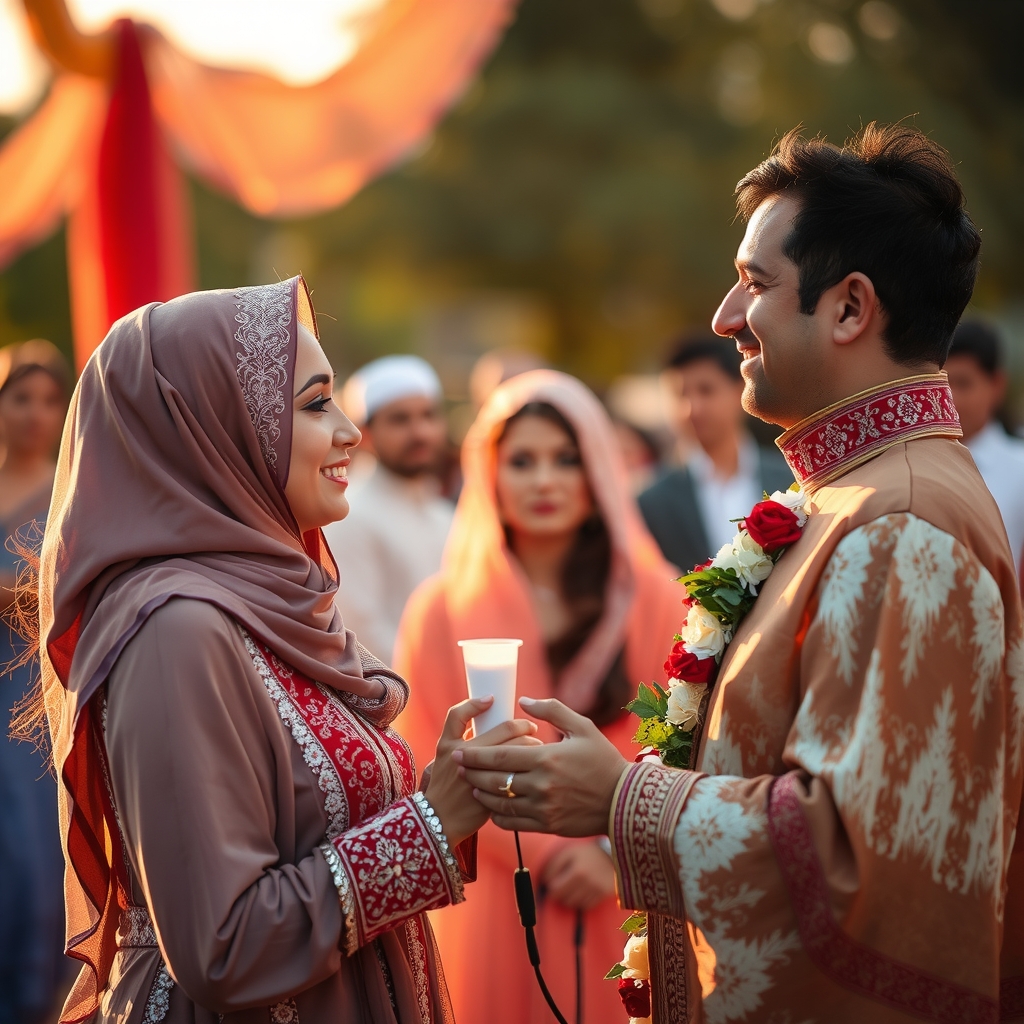
Kurdish weddings are legendary for their vibrancy, grand scale, and deep-rooted sense of community. From rhythmic folk music and colorful traditional attire to hours of joyful line dancing, these celebrations bring families and friends together like few other events can. For modern couples and non-Kurdish partners, however, understanding the rich tapestry of Kurdish wedding traditions can sometimes feel overwhelming.
Whether you are planning a traditional celebration, blending cultural backgrounds, or simply attending your first Kurdish wedding as a partner, this guide breaks down the essential customs and offers practical tips for navigating them seamlessly.
The Engagement Phase: Khasgari and Shirini Khori
Before the main wedding day arrives, several meaningful pre-wedding customs lay the foundation for the union.
The journey typically begins with Khasgari, the formal proposal where the groom's family visits the bride's home to ask for her hand in marriage. This tradition emphasizes respect between families and allows elders to get acquainted. While historic Khasgari gatherings were strictly traditional, modern couples often use this time as an intimate family dinner to discuss future plans.
Once both families agree, the Shirini Khori (literally "eating sweets") or official engagement party takes place. Rings are exchanged, and trays of baklava, chocolates, and pastries are shared to symbolize a sweet future together.
Advice for couples: If your partner is non-Kurdish, walk them through the flow of these family visits ahead of time. Explaining seating customs, greeting elders first, and the significance of accepting offered tea and sweets helps everyone feel comfortable.
Pre-Wedding Warmup: The Henna Night
A day or two before the main wedding, the Şeva Hinê (Henna Night) takes place. Traditionally hosted by the bride's family, this evening is filled with emotional folk songs, traditional dancing, and intimate storytelling.
During the ceremony, decorative henna is applied to the palms of the bride and groom, symbolizing good luck, prosperity, and protection. Female relatives and close friends often wear stunning traditional dresses and dance around the bride holding candles and henna trays.
Advice for couples: The Henna Night is a fantastic icebreaker for non-Kurdish partners and in-laws. It offers a smaller, warmer environment to experience traditional hospitality before the massive wedding reception.
The Main Celebration: Music, Attire, and Halparke
The main Kurdish wedding reception is an energetic, grand affair that often hosts hundreds of guests. Three key elements define the atmosphere:
- Jilê Kurdî (Traditional Attire): Guests and newlyweds often wear exquisite, custom-tailored Kurdish clothing. Men wear the Rank u Chok with a traditional sash, while women wear brightly colored, sequined silk dresses with ornate belts and capes.
- Traditional Music: A classic Kurdish wedding features live music, often starring the Dahol (a large bass drum) and Zurna (a high-pitched wind instrument). Their powerful rhythms set the tempo for the night.
- Halparke (Kurdish Line Dancing): Halparke is the beating heart of any Kurdish celebration. Dancers hold pinkies or hands, moving in synchronized steps led by a dance leader (Serçopi) who waves a colorful handkerchief.
Advice for couples: If you or your partner are new to Halparke, practice a few basic footwork patterns at home beforehand! Kurdish guests love seeing non-Kurdish partners join the dance line, no matter their skill level.
Balancing Tradition with Modern Expectations
Planning a wedding today often means honoring heritage while keeping things practical and modern. Here is how to create a balanced celebration:
- Combine Music Styles: Mix traditional live Kurdish music with a modern DJ set so younger guests and international family members can enjoy a variety of genres.
- Personalize the Ceremony: If hosting an intercultural wedding, consider including personal vows or translating key announcements into English or your partner's native language.
- Set Clear Budgets and Guest Lists: Traditional weddings can easily grow very large. Work together with both families early on to agree on guest count expectations gracefully.
Final Thoughts
At its core, a Kurdish wedding is a celebration of unity, hospitality, and shared joy. By honoring key customs while leaving room for personal touches, modern and intercultural couples can create an unforgettable milestone that respects heritage while stepping confidently into the future.
Are you looking for a partner who shares your love for Kurdish culture and values? Download Memuzin today and connect with like-minded singles in the global diaspora.