Kurdish Wedding Traditions: Guide for Modern Couples
Admin · · 4 min read
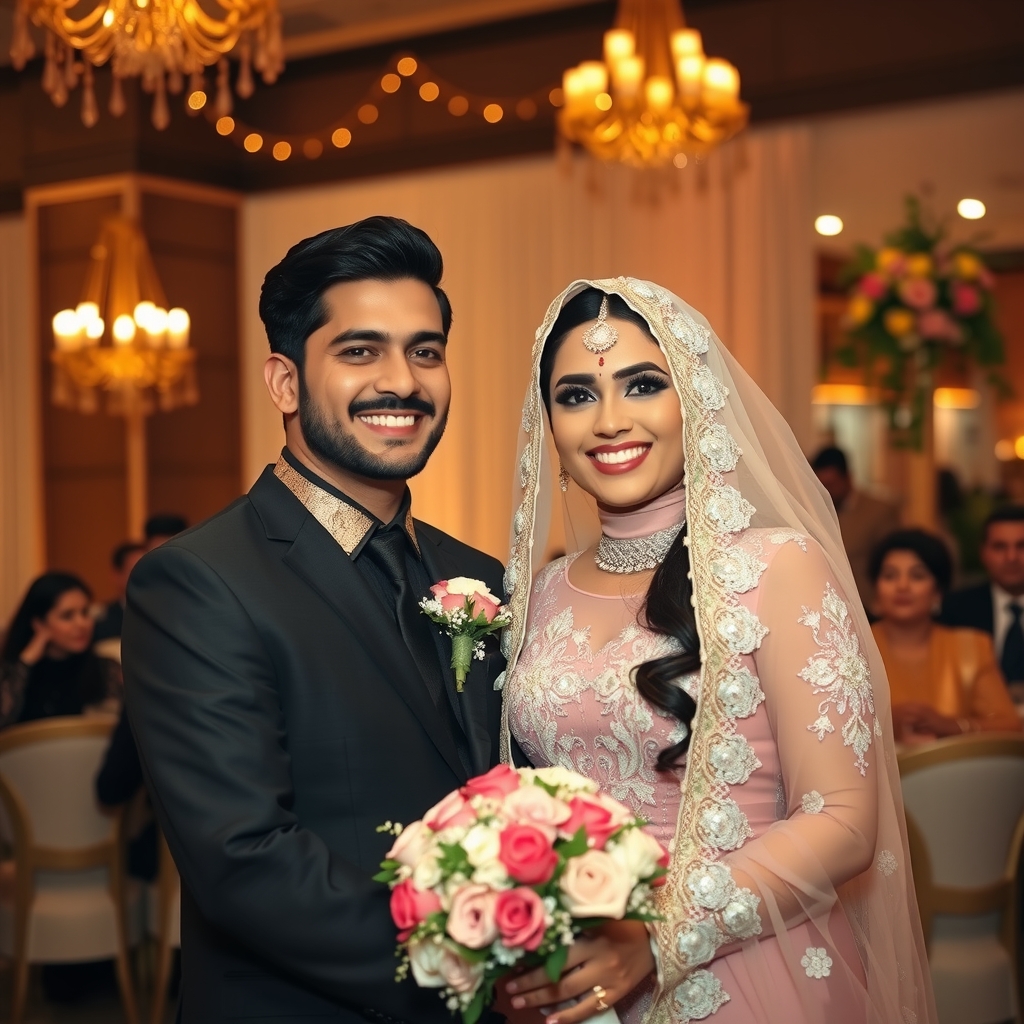
Kurdish weddings are world-famous for their joyful energy, vivid colors, and unforgettable music. Spanning multiple days and bringing together extended family from near and far, a traditional Kurdish wedding is far more than a party—it is a sacred community celebration of two lives joining together.
For modern couples, balancing deeply cherished heritage with contemporary lifestyle preferences can feel like a delicate dance. Whether you are living in the diaspora or in Kurdistan, understanding key Kurdish wedding customs will help you plan a meaningful celebration that honors your family roots while reflecting your unique love story.
The Journey Begins: Xwazgînî and Nîşan
Before the dancing and drums begin, Kurdish marriage traditions start with formal family meetings. The process traditionally begins with Xwazgînî, the official proposal visit. Historically, respected family elders and representatives visit the bride's family to formally ask for her hand in marriage. This ritual demonstrates deep mutual respect between both families.
Following the formal agreement comes the Nîşan (engagement ceremony). Depending on the family, the Nîşan can range from an intimate family dinner to a large, vibrant event complete with dancing and gifts. Rings are exchanged, and gold jewelry is often presented to the bride as a sign of commitment and practical financial security for the couple’s future.
Modern Tip: Today’s couples usually discuss their marriage plans thoroughly before the formal Xwazgînî takes place. Having open conversations with your partner beforehand ensures both families feel honored and comfortable with the event's scale, flow, and expectations.
The Night of Henna: Şeva Hînê
Held a night or two before the main wedding reception, Şeva Hînê (Henna Night) is one of the most heartwarming pre-wedding rituals. Traditionally organized for the bride, her female family members, and close friends, this evening is filled with emotional traditional songs, laughter, and bonding.
During the ritual, beautiful henna paste is applied to the bride’s palms and fingers, symbolizing joy, prosperity, and protection. The groom and his family often join later in the evening carrying candles and trays of henna, turning the event into a lively joint celebration.
Modern Tip: Many modern couples choose to host combined henna nights where both men and women participate together throughout the evening. Adding personal touches—like a curated acoustic playlist alongside traditional songs or modern photo backdrops—can make this night feel uniquely yours while keeping the core tradition alive.
The Big Day: Clothes, Dahol û Zurna, and Govend
The wedding day itself is a spectacular showcase of Kurdish culture, color, and community.
- Traditional Attire: Kurdish clothing is unmistakable. Women wear stunning Kiras û Fîstan—flowing dresses adorned with sequins, embroidery, and gold accessories, often cinched with an ornate belt. Men wear structured traditional attire like Şal û Şapik or crisp modern suits with traditional sashes.
- Dahol û Zurna: No Kurdish wedding is complete without the powerful rhythm of the dahol (large bass drum) and zurna (traditional woodwind instrument). The music announces key moments and keeps the energy high throughout the reception.
- Govend (Line Dance): The beating heart of any Kurdish celebration is the Govend. Guests of all ages link pinkies or hold hands, moving in synchronized, rhythmic steps in a sweeping circle. Leading the line with a decorated handkerchief (gora) is a coveted honor passed among close friends and family members.
- The Gold Ceremony (Zêr): During the reception, family and friends step forward to gift gold coins, bangles, or cash directly to the newlyweds. This longstanding tradition provides direct financial support as the couple builds their new household.
Tips for Planning Your Modern Kurdish Wedding
Integrating ancient customs into a modern timeline requires clear communication and thoughtful planning. Here is how to keep the process smooth and enjoyable:
- Prioritize Your Must-Haves: Decide together which traditions matter most to you as a couple. Whether it is an intimate henna ceremony or a full-day reception focused on dancing, center your budget and timeline on what resonates with your vision.
- Communicate Early with Elders: Parents and grandparents often hold deep emotional connections to specific rituals. Walk them through your venue choices, timeline, and modern twists early on to avoid last-minute misunderstandings.
- Bridge Culture and Convenience: If you are hosting a wedding in the diaspora, consider combining the henna night and welcome dinner into a single evening, or working with modern caterers who can serve regional Kurdish cuisine alongside global menu options.
Honor Your Heritage with the Right Partner
Kurdish wedding customs represent togetherness, joy, and enduring family bonds. Sharing these rich traditions with someone who understands and values your cultural background makes the journey toward marriage even more rewarding.
If you are ready to meet someone who shares your culture, values, and dreams for the future, download Memuzin today. Connect with Kurdish singles locally and around the globe who are looking for meaningful relationships grounded in heritage and love.