Kurdish Henna Night (Şeva Hineyê): What to Expect
Memuzin Team · · 5 min read
A Kurdish henna night, known as şeva hineyê in Kurmancî and şewî xenebendan (شەوی خەنەبەندان) in Soranî, is a traditional pre-wedding gathering held before the main wedding. Family and friends meet to apply henna, sing emotional songs, dance govend, and distribute sweets, marking the bride's transition into married life.
Key takeaways
- The Kurdish henna night (şeva hineyê or şewî xenebendan) takes place a day or two before the main wedding day.
- A central ritual involves placing a warm dollop of henna and a coin or gold piece on the bride's palm for good fortune.
- Guests usually wear colourful Kurdish clothing or festive formal wear and dance govend in a circle.
- Regional variations exist across Kurmancî and Soranî communities, and couples in the diaspora often host joint celebrations.
Who Attends and What Happens During the Ritual
Traditionally, the henna evening was an all-female gathering hosted by the bride's family, but today many families host co-ed events where the groom and his relatives join later in the evening. The main event begins when candles or trays decorated with flowers and sparklers surround the henna bowl. A happily married female relative places a coin or small piece of gold inside the bride's hand before pressing a dollop of prepared henna onto her palm, wrapping it in silk or cloth to set.
During this ritual, women sing traditional melancholic songs that reflect the bittersweet moment of a bride leaving her parental home. Once the formal application finishes, the mood shifts to celebration. Trays of traditional sweets like baklava or halwa are distributed to guests, and music starts for circle dancing. Couples planning their future together often look back on these heritage moments as highlights of their Kurdish wedding traditions.
What to Wear and What Guests Bring
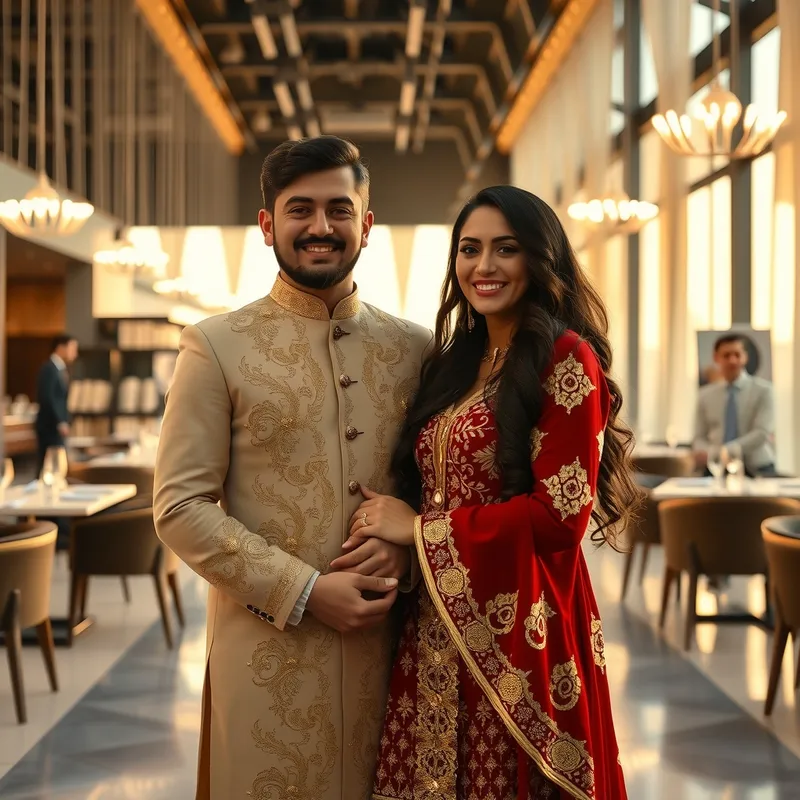
Guests attending a Kurdish henna night should dress in bright, festive attire. Female guests often wear traditional dresses such as a kras û fistan adorned with a vest or belt, while men wear formal suits or traditional shal û şapik. If you do not own traditional clothing, evening wear or dark suits with a colorful shirt work well.
When attending as a guest, you are not expected to bring large gifts to the henna night, as formal gifting usually happens during the main wedding ceremony. However, small gifts of boxed sweets, flowers, or perfume for the bride are thoughtful gestures. If you are close to the family, bringing a small box of chocolates or pastries shows respect for host hospitality, which is a core value outlined in Kurdish family values in relationships.
Regional Differences and Diaspora Adaptations
Customs vary depending on region, town, and family background. In some Kurmancî-speaking regions, the groom's family brings the henna tray to the bride's house in a procession accompanied by the drum (dehol) and flute (zurna). In Soranî-speaking areas, the night is widely called şewî xenebendan (شەوی خەنەبەندان), and specific songs like nostalgic folk ballads are sung while moving around the bride.
For couples living abroad in Europe or North America, logistical constraints often shape how the event is organized. Diaspora couples frequently combine the bride's and groom's sides into one venue on a Friday evening. Some choose to host smaller gatherings at home before heading out to a shared hall. Single Kurds seeking a partner who appreciates these customs can connect through platforms like Memuzin, where members filter by dialect and region to find matches.
How to Prepare If You Are New to the Culture
If you are attending your first Kurdish henna night, here are a few practical steps to feel comfortable:
- Learn the basic steps of govend (circle dance), where dancers hold pinkies or hands and move together to the rhythm.
- Be prepared for emotional moments during the henna application followed by energetic dancing.
- Learn a few friendly phrases, such as "dilê min" (my heart) or "jiyana min" (my life), which elders often use as endearments when welcoming guests.
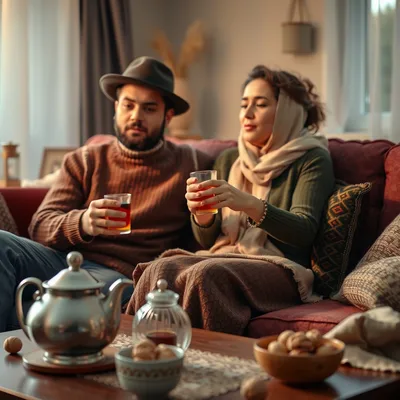
- Expect generous hospitality with continuous offers of tea, fruits, and sweets throughout the night.
FAQ
What is the purpose of a Kurdish henna night?
A Kurdish henna night marks the formal farewell of the bride from her family home and symbolizes good luck, fertility, and prosperity for her marriage. The henna stain applied to the hands acts as a traditional sign of joy and blessing.
Does the groom attend the henna night?
Traditionally, the henna night was exclusively for the bride and female relatives, but modern celebrations often include the groom. Grooms often arrive with their family midway through the event to participate in the henna ritual and dance alongside the bride.
What should a non-Kurdish guest wear to a henna night?
Non-Kurdish guests should wear elegant formal attire, such as a cocktail dress, evening gown, or suit. Bright colors are welcomed, and traditional Kurdish clothing is appreciated if offered by the hosts.
How long does a henna night last?
A henna night typically lasts between three to five hours, usually starting in the mid-evening. The evening progresses from welcoming guests and food service to the henna ceremony, followed by open circle dancing until late.
A Kurdish henna night is a meaningful blend of tradition, family bonding, and celebration. Whether you are keeping every historical custom intact or adapting rituals for a life abroad, şeva hineyê creates memories that connect couples to their heritage. If you want to meet Kurdish singles worldwide who share your background and values, create a free profile on Memuzin.