
Traditional Kurdish Recipes: Dolma, Kubba and Biryani
Admin · · 5 min read
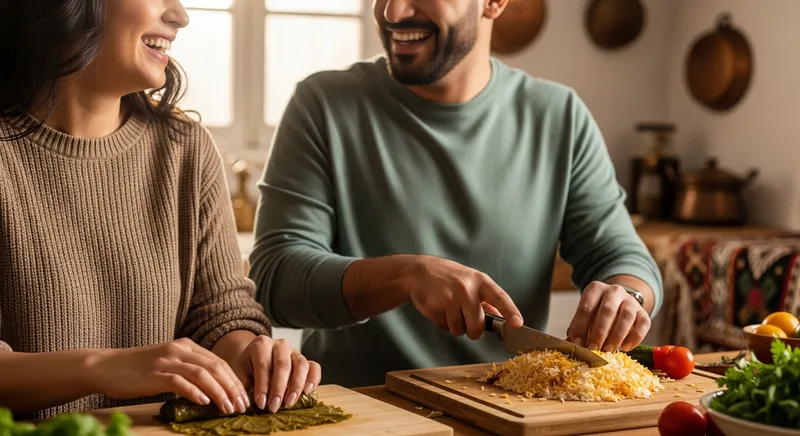
Discovering traditional Kurdish recipes is one of the best ways to connect with rich Kurdish heritage and culinary culture. Food plays a central role in hospitality, bringing family together around large table spreads during festive holidays like Newroz celebrations or weekend family gatherings.
Whether you are preparing a romantic home-cooked dinner or hosting relatives when guiding partners through Kurdish family traditions, mastering these classic meals will bring authentic, comforting flavors directly to your kitchen.
Classic Kurdish Dolma (Yaprak)
Dolma is widely considered the crown jewel of Kurdish cuisine. Unlike simpler stuffed leaf recipes, Kurdish dolma combines a mix of hollowed-out vegetables and tender grape leaves, all packed with a savory, tangy rice filling and slow-cooked in a deep pot.
Ingredients
- 1 jar preserved grape leaves, rinsed
- 2 small baby eggplants, 2 small zucchini, and 2 bell peppers (hollowed out)
- 2 cups short-grain rice, soaked for 20 minutes
- 300g ground lamb or beef
- 3 tbsp pomegranate molasses
- 2 tbsp sumac powder
- 4 cloves garlic, minced
- 3 tbsp olive oil
- Salt and black pepper to taste
Instructions
- Prepare the filling: In a large bowl, mix the drained rice, minced meat, garlic, pomegranate molasses, sumac, olive oil, salt, and pepper until evenly combined.
- Stuff the vegetables: Fill the hollowed zucchini, eggplants, and peppers about three-quarters full to allow the rice room to expand.
- Roll the grape leaves: Place a grape leaf flat, add a tablespoon of filling near the stem end, fold the sides inward, and roll tightly toward the tip.
- Layer the pot: Place bone-in lamb ribs or fava beans at the bottom of a heavy pot to prevent burning. Arrange stuffed vegetables and rolled leaves tightly in concentric circles.
- Simmer: Pour warm water mixed with a tablespoon of pomegranate molasses and sumac over the dolma until almost covered. Place a heavy heatproof plate on top to keep rolls intact. Cover and simmer on low heat for 60 to 70 minutes until vegetables and rice are tender.
Regional Variation: Southern regions often favor a intensely sour profile using extra pomegranate molasses, while mountainous northern areas frequently incorporate more wild herbs and garlic.
Kurdish Kubba (Kibe)
Kubba consists of a spiced meat filling encased in a tender bulgur or semolina dough shell. It can be served boiled in a rich sour soup or fried until golden and crispy.
Ingredients
- 2 cups fine bulgur (or fine semolina)
- 1 cup warm water
- 400g lean ground beef or lamb (divided: half for dough, half for filling)
- 1 large yellow onion, finely chopped
- 1/2 cup toasted pine nuts or chopped walnuts
- 1 tsp Kurdish Baharat (seven-spice blend)
- 1/2 cup fresh parsley, chopped
- Salt to taste
Instructions
- Make the dough: Soak bulgur in warm water for 15 minutes. Combine with 200g ground meat and a pinch of salt. Knead thoroughly until a smooth, workable dough forms.
- Prepare the filling: Sauté onions with the remaining ground meat in a skillet until browned. Stir in Baharat, toasted nuts, chopped parsley, and salt. Allow to cool completely.
- Shape the kubba: Take a golf-ball-sized piece of dough, hollow it out with your thumb to create a thin pouch, fill it with a tablespoon of meat filling, and seal the top tightly into a flat disc or torpedo shape.
- Cook: Boil the discs gently in a spiced tomato broth for 15 to 20 minutes until they float, or deep-fry in medium-hot oil until crispy and deep brown.
Regional Variation: Flat, large-disc versions known as Kubba Mosul are popular in northern regions, whereas interior regions regularly cook spherical kubba inside sour turnip or okra stews (Kubba Hamuth).
Flavorful Kurdish Biryani
Kurdish biryani is a festive, aromatic rice dish filled with warm spices, fried noodles, sweet raisins, crisp nuts, and tender spiced meat. It is a mandatory staple at celebratory feasts and honoring Kurdish wedding traditions.
Ingredients
- 2 cups long-grain Basmati rice, rinsed
- 500g bone-in chicken thighs or cubed lamb
- 1 cup vermicelli noodles
- 2 medium potatoes, diced small
- 1/2 cup green peas
- 1/2 cup raisins
- 1/2 cup slivered almonds
- 1.5 tbsp Biryani spice mix (cardamom, cinnamon, cloves, cumin, nutmeg)
- Cooking oil
Instructions
- Cook the meat: Simmer chicken or lamb in water with a pinch of cardamom and salt until fully cooked and tender. Reserve the broth.
- Fry the additions: In separate batches, fry diced potatoes until golden, cook vermicelli in oil until toasted red, and lightly toast raisins and almonds.
- Cook the rice: Parboil basmati rice in the reserved meat broth with half of the biryani spice mix until 80% done, then drain.
- Assemble and steam: In a large pot, gently layer rice, fried vermicelli, cooked meat, potatoes, peas, raisins, nuts, and remaining spices. Cover and steam over low heat for 15–20 minutes.
Regional Variation: Some regional variations add sliced boiled eggs and extra saffron, while others lean toward savory herbs and additional roasted nuts.
FAQ
What makes Kurdish food unique compared to neighboring cuisines?
Kurdish cuisine relies heavily on fresh wild herbs, sour flavor accents like sumac and pomegranate molasses, and hearty slow-cooked stuffed dishes. While sharing ingredients with neighboring regions, the balance of mountain herbs and sour-savory profiles gives Kurdish home cooking a distinct comfort flavor.
What is the secret to getting Kurdish Dolma sour enough?
The key to authentic sourness is layering souring agents throughout preparation. Use sumac powder mixed into the meat, add pomegranate molasses directly into the rice, and pour a hot water mixture seasoned with extra sumac and fresh lemon juice over the pot before cooking.
Can these Kurdish recipes be adapted for vegetarian diets?
Yes, these classic meals adapt easily to vegetarian diets. You can prepare delicious meat-free dolma by substituting ground meat with chickpeas, lentils, extra diced herbs, and tomatoes, or fill dough for kubba with a savory mixture of spiced wild mushrooms and chopped walnuts.
Conclusion
Preparing traditional Kurdish recipes is more than just cooking a delicious meal—it is a warm celebration of heritage, hospitality, and connection. Sharing these time-honored dishes creates lasting memories with friends and loved ones.
If you are searching for a partner who shares your love for Kurdish culture, food, and traditions, learn more about Memuzin today and join a global community built on shared heritage.