
Kurdish Carpet Weaving and Kilims: A Short Guide
Admin · · 4 min read
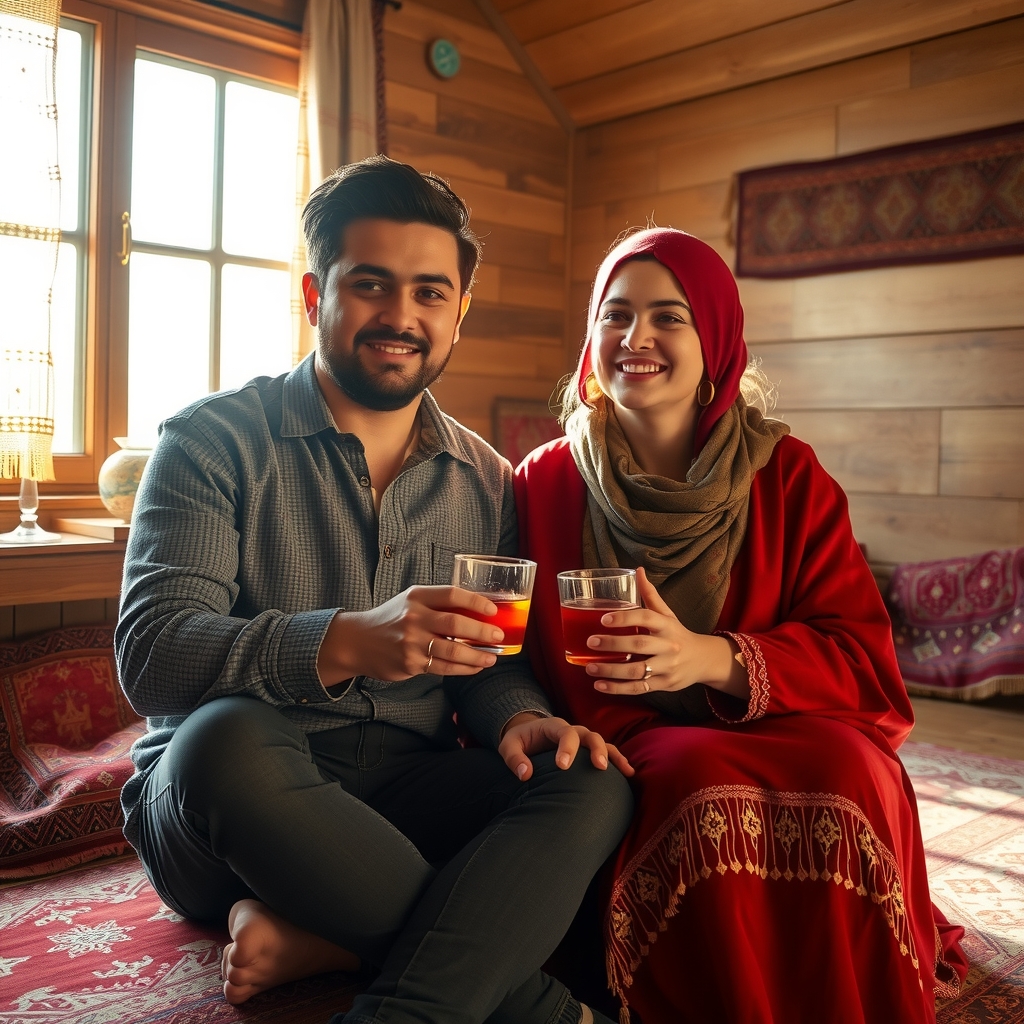
Kurdish carpet weaving is one of the most vibrant artistic traditions in human history, connecting generations through thread, dye, and memory. For centuries, artisan weavers have crafted rugs and flat-weave kilims that turn living spaces into sanctuaries of culture and warmth.
Whether you inherited a treasured family heirloom, bought your first handwoven kilim, or simply want to appreciate the artistry behind these textiles, understanding their roots offers a meaningful look into Kurdish heritage.
Regional Styles and Legendary Hubs
Kurdish weavers inhabit diverse landscapes, and their weaving techniques reflect these distinct environments. Regional styles vary in density, color palettes, and structural techniques:
- Bijar (Bidjar): Famous for their legendary durability, Bijar rugs are often called the iron rugs of the East. Weavers use a heavy wooden comb to beat down the wet wool knots tightly, creating thick, long-lasting carpets with intricate floral and medallion motifs.
- Senneh (Sanandaj): Known for fine knotting and elegant flat-weave kilims, Senneh textiles feature delicate repeating patterns such as the boteh (pear shape) or geometric diamonds. They are lighter and softer than Bijar rugs.
- Quchan and Khorasan: Weavers in northeastern regions are renowned for bold tribal designs, rich crimson and dark indigo tones, and plush wool textures.
- Anatolian Kurdish Kilims: These flat-weaves prioritize striking geometric geometry, large central motifs, and bright, warm earth tones.
Decoding Patterns and Symbols
Kurdish carpets are rarely just decorative; they serve as woven visual language. Weavers traditional improvise designs from memory rather than following printed patterns, leaving personal signatures in every piece.
Common symbols include:
- The Diamond (Göl): Represents protection, unity, and the hearth of the home.
- Ram Horns (Koçboynuzu): Symbolizes strength, heroism, and vitality.
- Tree of Life: Represents growth, long life, and family lineage spanning generations.
- Running Water Motifs: Expresses cleanliness, life, and continuous rebirth.
Colors also carry deep meaning. Natural vegetable dyes created from madder root (reds), indigo (blues), walnut husks (browns), and pomegranate peels (yellows) give vintage pieces their rich, harmonious tones.
How to Recognize an Authentic Kurdish Rug
Identifying genuine handwoven rugs becomes easier once you know what details to look for:
- Inspect the Back: A machine-made rug has a perfectly uniform back with synthetic backing. An authentic hand-knotted or hand-woven Kurdish rug shows slight irregularities in knot size and a visible design pattern on the reverse side.
- Examine the Fringe: On genuine rugs, the fringe consists of the actual warp threads extending directly from the body of the rug. On synthetic copies, the fringe is usually sewn on afterward.
- Feel the Wool: Traditional pieces use high-quality hand-spun wool that feels naturally oily, soft, and resilient underfoot.
- Check for Abrash: Natural dye lots create subtle color shifts across the rug, known as abrash. These soft variations in tone are a hallmark of artisanal hand-weaving.
Caring for Your Handwoven Rug or Kilim
With proper care, a well-made rug can last for centuries and become an heirloom for future generations:
- Vacuum Carefully: Vacuum your rug regularly, but turn off the rotating beater bar to avoid pulling loose wool fibers. For flat-weave kilims, gentle suction is best.
- Rotate Annually: Sunlight and foot traffic cause uneven wear. Rotate your rug 180 degrees once a year to maintain balanced exposure.
- Clean Spills Immediately: Blot spills with a clean, dry cotton cloth. Avoid harsh chemicals—use mild wool shampoo mixed with lukewarm water if spot cleaning is necessary.
- Use a Quality Rug Pad: A non-slip pad beneath your carpet cushions the knots, prevents slipping, and extends the lifespan of the fibers.
FAQ
How can you tell if a carpet is authentic Kurdish?
An authentic Kurdish carpet features hand-spun wool, subtle variations in dye color (abrash), and a natural fringe formed directly by the warp threads. Looking at the back will reveal slight hand-made irregularities rather than machine-made perfection.
What is the difference between a rug and a kilim?
A carpet or rug features a raised wool pile created by tying individual knots onto warp threads. A kilim is a flat-weave textile made without knots, weaving the weft directly through the warp to create a lighter, smooth-surfaced rug.
How do I safely clean a handwoven kilim?
Clean a kilim by vacuuming with low suction and no rotating brush bar. Spot-clean spills immediately using cold water and mild soap, or seek a professional textile restorer specializing in handwoven antique rugs for deep cleaning.
Bringing Warmth to Your Home and Life
A handwoven rug brings warmth, texture, and story to any living space. Just like the painstaking care woven into traditional textiles, rich relationships are built thread by thread through shared values and genuine connection.
If you are searching for someone who appreciates culture, heritage, and deep conversation, explore our community. Read more about Memuzin to see how we help Kurdish singles connect globally. You can also expand your vocabulary through our Kurdish word of the day archive, and build safe online connections using our practical online dating safety tips. Join today and find someone who feels like home.