How to Apologize to Your Partner After an Argument
Memuzin Team · · 5 min read

To know how to apologize to your partner after an argument, you must take full responsibility for your actions, acknowledge their emotional pain without making excuses, and offer a clear plan to change your behavior. A complete apology focuses on repair, restitution, and respect rather than defending your intentions or shifting blame back onto them.
Key takeaways
- A real apology owns the specific action and its impact without using phrases like "I am sorry you feel that way."
- Wait until intense emotions cool down, usually two to three hours, before attempting a quiet and sincere conversation.
- When extended family becomes involved in a fight, apologize privately first, then reassure relatives to protect your partner's dignity.
- Words of affection like "dilê min" (my heart) work only after genuine accountability is established.
What a Real Apology Contains (And What to Avoid)
A effective apology requires four clear elements: an explicit statement of regret, direct ownership of the specific mistake, an acknowledgment of the hurt caused, and a promise of practical change. Saying "I was wrong for raising my voice when we disagreed, and I see how much that upset you" addresses the exact behavior.
Avoid statements that shift accountability back onto your partner. Phrases like "I am sorry you feel that way" or "I am sorry, but you pushed me" are defensive maneuvers rather than real apologies. They tell your partner that their reaction is the problem, not your behavior.
When speaking with your partner, show genuine warmth once accountability is established. In Kurmancî, calling your partner dilê min (my heart) or jiyana min (my life) shows care, but these terms should never be used to gloss over an unresolved issue. First state what you did wrong, listen to their response without interrupting, and ask what they need from you to rebuild trust. Reviewing online dating safety tips can also remind partners how to maintain healthy boundaries and mutual respect during tense moments.
Choosing the Right Timing: How Long Should You Wait?
Apologizing too quickly while tempers are hot often leads to repeated arguments because neither person has processed their feelings. On the other hand, waiting days creates coldness and lets resentment take root.
Aim for a cooling-off period of two to four hours. This gives both of you time to lower your stress levels and reflect on the situation objectively. If you need time to collect your thoughts, inform your partner explicitly rather than walking away in silence. Say: "I care about resolving this, but I need an hour to calm down so we can speak respectfully."
Clear communication habits are essential in any stage of a relationship. Whether you met through friends or met on a Kurdish chat platform, setting ground rules for taking short breaks during heated discussions keeps small misunderstandings from turning into bitter fights.
Repairing Relationships When Families Get Drawn In
In Kurdish culture, relationships are closely connected to malbat (family). When a fight happens near relatives or gets overheard, maintaining rûmet (respect) for your partner becomes a priority. Allowing family members to take sides or speak poorly of your partner damages long-term trust.
Follow these steps if relatives were drawn into your disagreement:
- Resolve the core issue privately first: Do not attempt to settle a conflict in front of parents, siblings, or cousins. Go to a private room or address it after returning home.
- Protect your partner's standing: Once you and your partner have made peace, speak to any family members who witnessed the argument. Say clearly: "We had a passionate disagreement, but we have worked it out together with respect."
- Set clear boundaries: Firmly ask family members not to bring up the fight again or treat your partner differently because of it.
Handling extended family expectations requires balance, especially for those re-entering the dating pool later in life. Singles balancing modern expectations with family ties can read our guide on Dating After Divorce: A Guide for Kurdish Singles for more advice on keeping personal boundaries strong.
Rebuilding Closeness After the Conflict Passes
Once both partners have expressed their feelings and accepted an apology, turn your focus toward repair. Rebuilding warmth requires small, concrete actions rather than grand, temporary gestures.
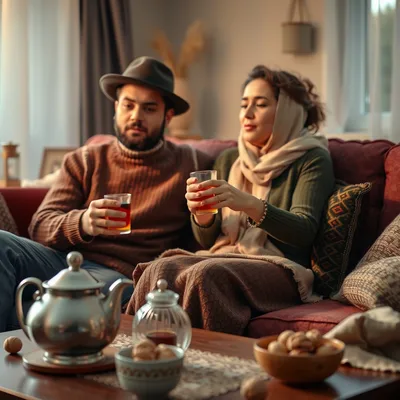
Prepare a cup of tea, sit together without phones, and offer a sincere sign of affection. In Soranî, reassuring your partner by saying "خۆشم دەوێیت (Xoşim dewêyt)" (I love you) reinforces that your commitment remains strong despite the disagreement. Follow through on whatever specific commitments you made during your apology, whether that means managing your stress better, changing how you talk during arguments, or spending more quiet time together.
FAQ
What should I do if my partner refuses my apology?
Do not demand immediate forgiveness or react with anger. Accept their reaction calmly, state that you understand they need time, and show through your actions over the coming days that you are committed to changing your behavior.
Is it acceptable to apologize to my partner over text message?
A text message is fine for brief check-ins or acknowledging a minor daily delay. For real arguments involving hurt feelings, always apologize in person or over a call so your tone and sincerity are clear.
How can I keep an argument from escalating in the moment?
Lower your voice volume immediately, use "I" statements instead of accusatory "you" statements, and request a short fifteen-minute pause if you feel your temper rising.
Why is "I am sorry you feel that way" harmful?
That phrase focuses on the partner's emotional reaction rather than your mistake. It avoids personal responsibility and signals to your partner that their feelings are unreasonable.
Making peace after an argument is a skill that strengthens trust over time. On Memuzin, an app available on Google Play and web that offers dialect filters for Kurmancî and Soranî alongside features like Peyva Rojê, Kurdish singles connect based on shared values and clear communication. Ready to build an authentic relationship grounded in respect? Join Memuzin and create a free profile today.